Crime scene investigations (CSI) have always captured the public’s imagination, especially through television dramas that depict highly skilled investigators solving cases in an hour. While these portrayals are often dramatized for entertainment, the real-world science behind crime scene investigations is far more intricate and revealing. From DNA analysis to ballistics, forensics provides critical insights that help law enforcement piece together the puzzle of any crime. Let’s dive into the science behind CSI and uncover how forensics truly works in real-life investigations.
1. The First Step: Securing the Crime Scene
Before any analysis can begin, the first crucial step is securing the crime scene. Law enforcement arrives to isolate the area, preventing contamination of evidence. This includes blocking off entrances, restricting access to only those with clearance, and preserving the integrity of the scene. Without this foundational step, any potential evidence could be compromised, and the investigation would be significantly weakened.
2. Evidence Collection: More Than Just Fingerprints
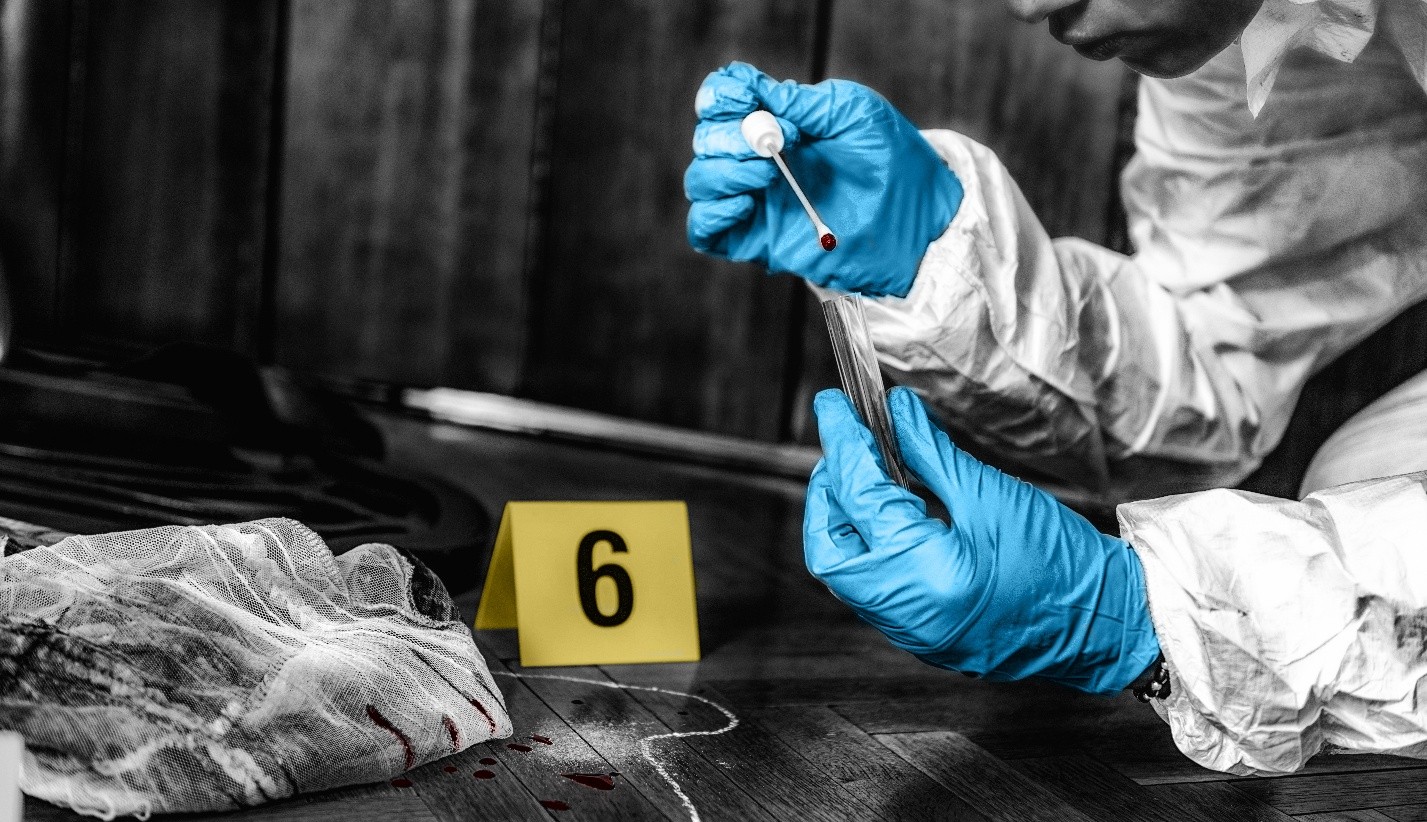
Forensics isn’t just about collecting fingerprints. It’s about understanding every detail that could tell a story. Investigators carefully collect various forms of evidence, including:
- Physical Evidence: This could be weapons, clothing, or anything left behind by the perpetrator.
- Trace Evidence: Small particles like hair, fibers, gunshot residue, or soil can be traced back to the crime scene or suspect.
- Biological Evidence: Blood, saliva, semen, or even sweat can provide DNA that identifies the victim or perpetrator.
Every piece of evidence is carefully cataloged, analyzed, and often subjected to testing in labs to link the crime to a person, place, or time.
3. DNA Analysis: The Ultimate Identifier
One of the most powerful tools in forensic science is DNA analysis. Every individual has a unique DNA profile, making it an invaluable method for identifying suspects or victims. When a sample of blood, saliva, or even skin cells is found at a crime scene, forensic scientists can extract DNA, compare it with suspects or databases, and determine whether a person was involved.
In cases where there are no obvious suspects, forensic experts turn to a technique called CODIS (Combined DNA Index System), a national database of DNA profiles, to match potential leads. DNA has solved countless cold cases, providing justice for victims even after years of uncertainty.
4. Ballistics and Blood Spatter Analysis: Understanding the Mechanics of a Crime
Ballistics is another important branch of forensics, particularly in shootings or violent crimes. By examining bullet trajectories, weapon types, and gunshot residue, experts can determine the position of the shooter, the distance from the target, and the angle of the shot. This information can often confirm or dispute witness testimonies, providing clarity on how a crime unfolded.
Similarly, blood spatter analysis provides insight into the events that took place during an assault. The size, shape, and location of blood stains can reveal whether the victim was standing, sitting, or moving during the attack. These patterns are crucial in understanding the sequence of events in violent crimes.
5. Forensic Pathology: What Autopsies Reveal
Forensic pathologists perform autopsies to determine the cause of death, whether it’s from a gunshot, stabbing, poisoning, or blunt force trauma. Autopsies help investigators understand the timeline of a crime and can reveal critical evidence such as drugs in the victim’s system or defensive wounds. The pathologist’s findings are pivotal in ruling out accidental deaths and confirming homicide.

Conclusion: The Role of Forensics in Solving Crimes
Forensics is an essential part of the criminal justice system. It brings together science and detective work to solve cases that would otherwise remain unsolved. From DNA to ballistics and beyond, forensic techniques help piece together the truth. The real-world science behind CSI may not be as fast-paced as it’s shown on TV, but its impact on investigations is undeniably powerful.
If you’re captivated by the world of forensics, crime scenes, and the mysteries they hold, check out The Bonded, a thrilling novel by Stephen Bramer. Follow Dean Parks and Samantha Sheffield as they navigate a world filled with eerie crime scenes, strange powers, and the chilling enigma of the “Bonded.” Dive into the suspense and uncover secrets that will keep you on the edge of your seat.
Get your copy of The Bonded today and explore the darker side of crime investigations!